
OUTSIDE THE BOX || SEPTEMBER 2026
Welcome to September’s edition of Outside the Box. In this newsletter we share updates, tips, and opportunities from our employment programme.
News
September has been a fabulously eventful month for Project Employ and Flourish! Our new café on Anzac Street in Takapuna has officially opened, and we’re loving seeing it come to life. If you haven’t been in to check it out yet, come and say hi and meet our new trainees!
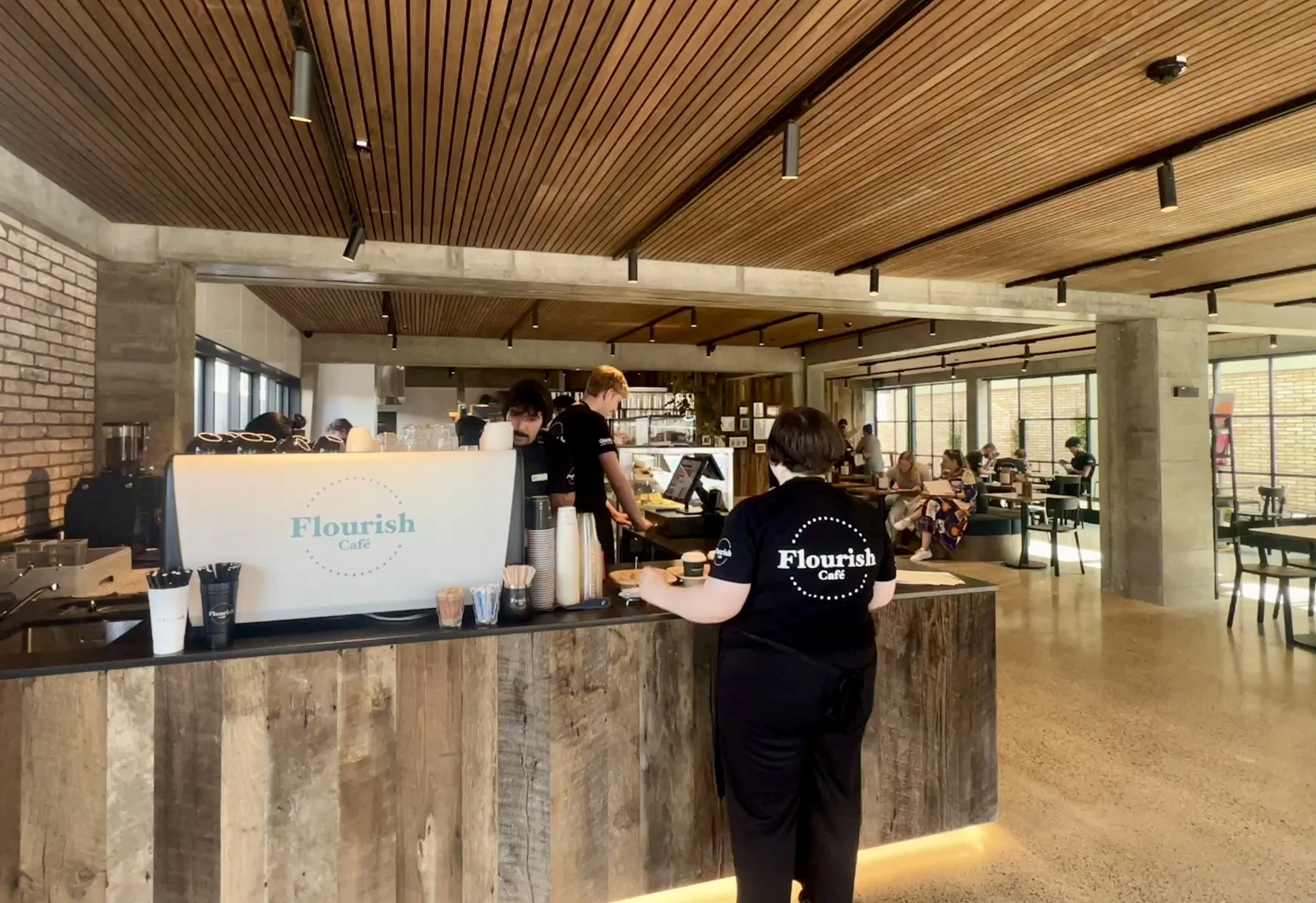
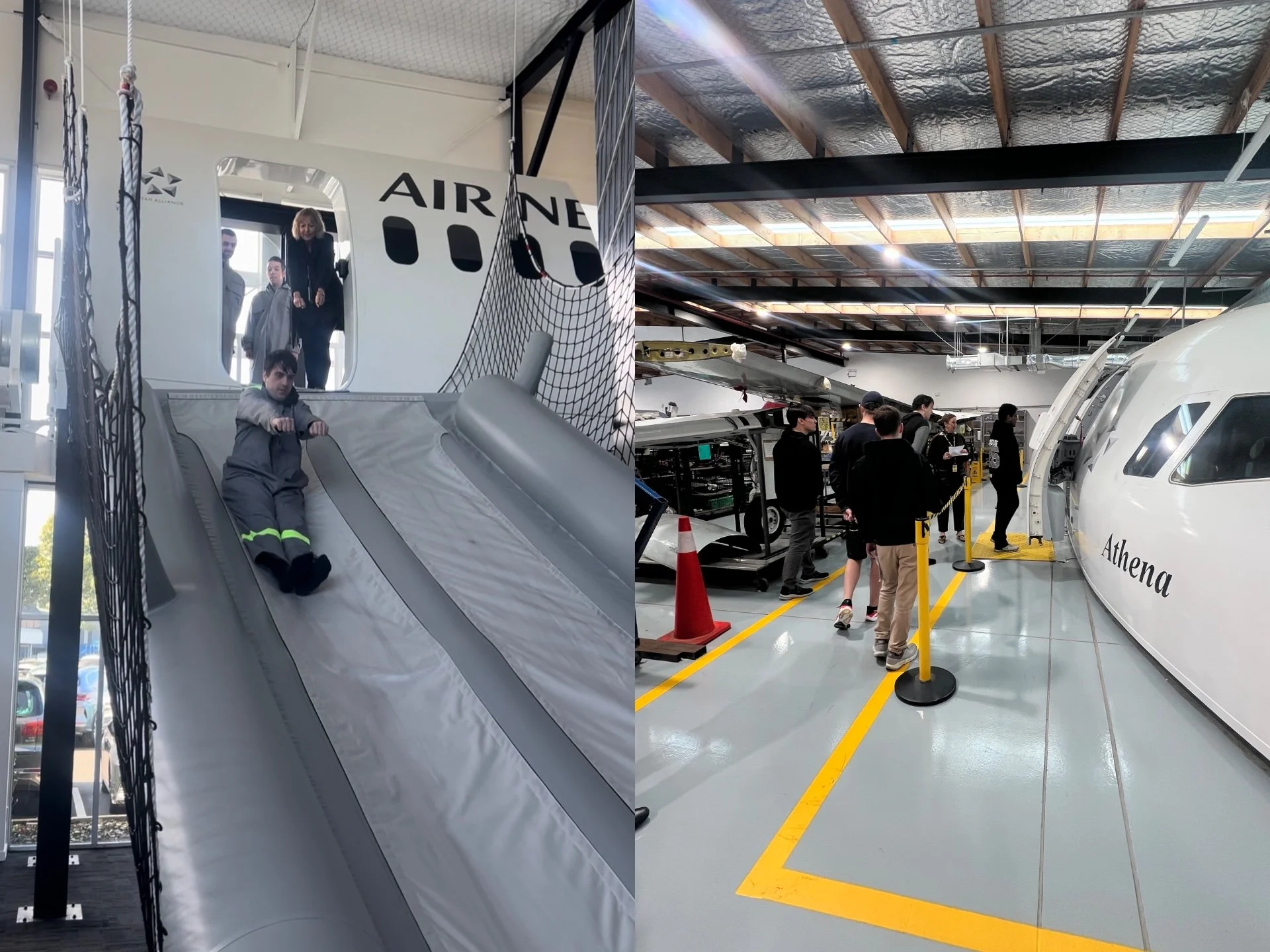
Meanwhile, in our Employment Programme, our recent graduates, along with a few trainees, have been having employment-related adventures! We had the great pleasure of visiting the Air New Zealand Academy of Learning, where we got to see all the different staff learning and training for their jobs, and hopefully ignited a little inspiration for our graduates along the way.
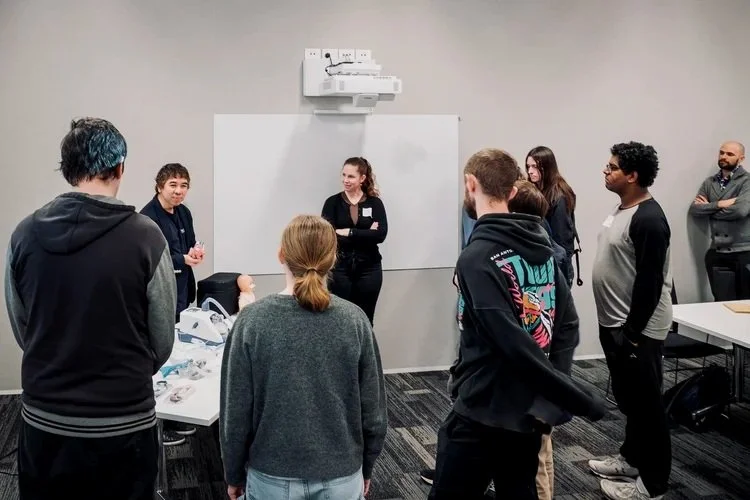
Then we visited the Fisher & Paykel Healthcare campus, where 4,000 people work creating lifesaving hospital and healthcare equipment. Fisher & Paykel have several cafés on campus, and our first graduate, Reece, has started working there as an intern this week!
The Fisher & Paykel team warmly welcomed our young people and are doing a fantastic job of working towards a more neuroinclusive workplace. It’s been great to see the opportunities they’re creating and we’re excited to see where this partnership goes.
At the same time…
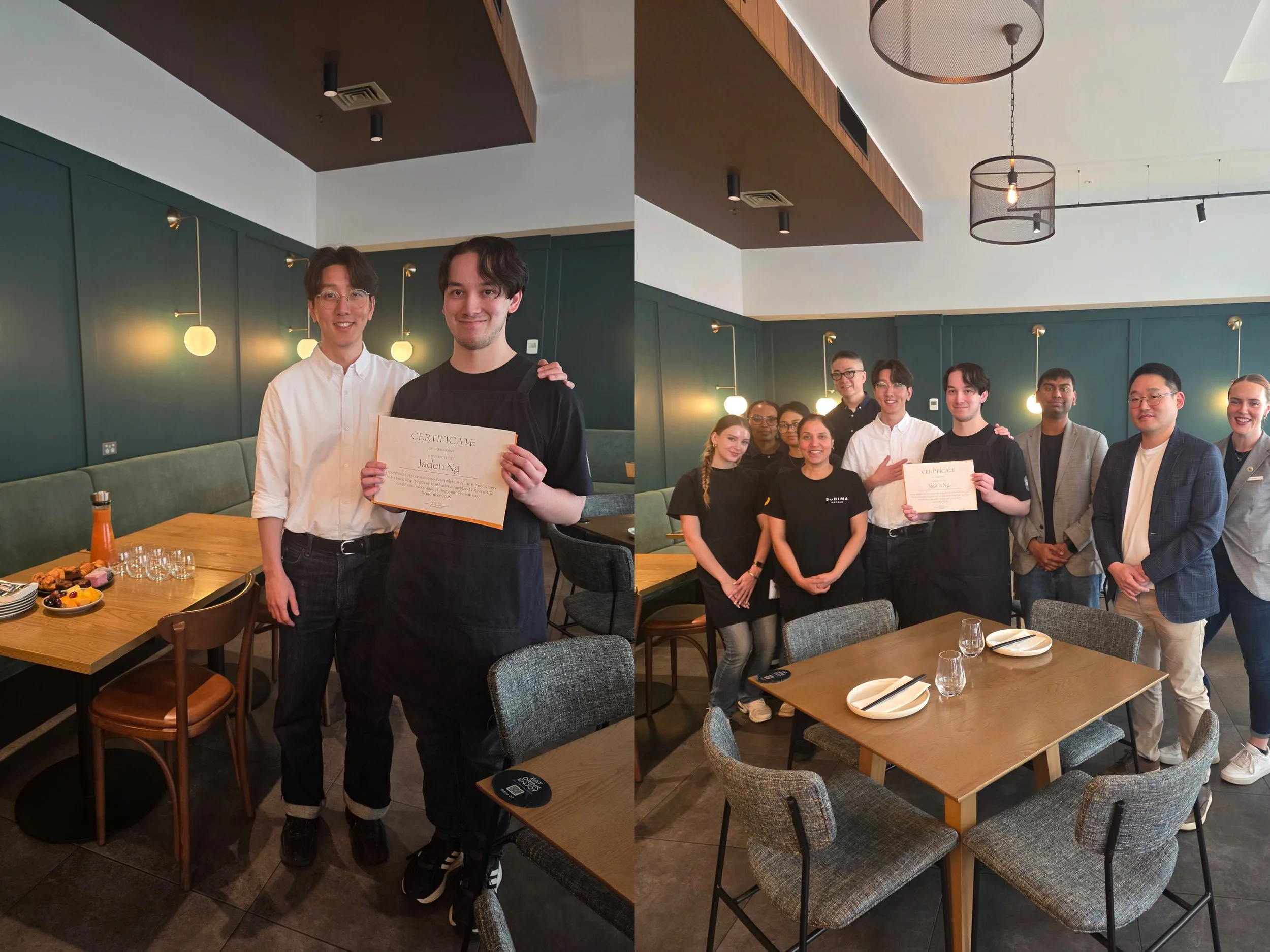
Jaden has just completed a six-week internship at the Auckland City Sudima Hotel. He has been working at their Michelin-selected restaurant, East, alongside another Project Employ graduate, Liam! His managers say that throughout his internship, he was punctual, well presented and respectful, took instructions well and engaged positively with the team. What a fantastic employee! And a huge thank you to everyone at the Sudima for all their support.
Jaden is now on the lookout for his next opportunity, so please reach out if you’d like to snap him up.
Supporter Spotlight

A very warm welcome to our new ambassador Atlanta Lolohea.
Atlanta is a professional athlete, currently playing for both the Blues and the Black Ferns rugby teams. She heavily values continuous growth in her life and enjoys learning new things.
In 2023, Atlanta was called into the Black Ferns environment as injury cover. Her professionalism and work ethic left a strong impression on selectors, leading to her securing her first Black Ferns contract in 2024.
Atlanta has chosen to become a PE ambassador because she believes that people with intellectual disabilities should be given more of an opportunity to grow and be comfortable anywhere in the work force.
Graduates Seeking Employment
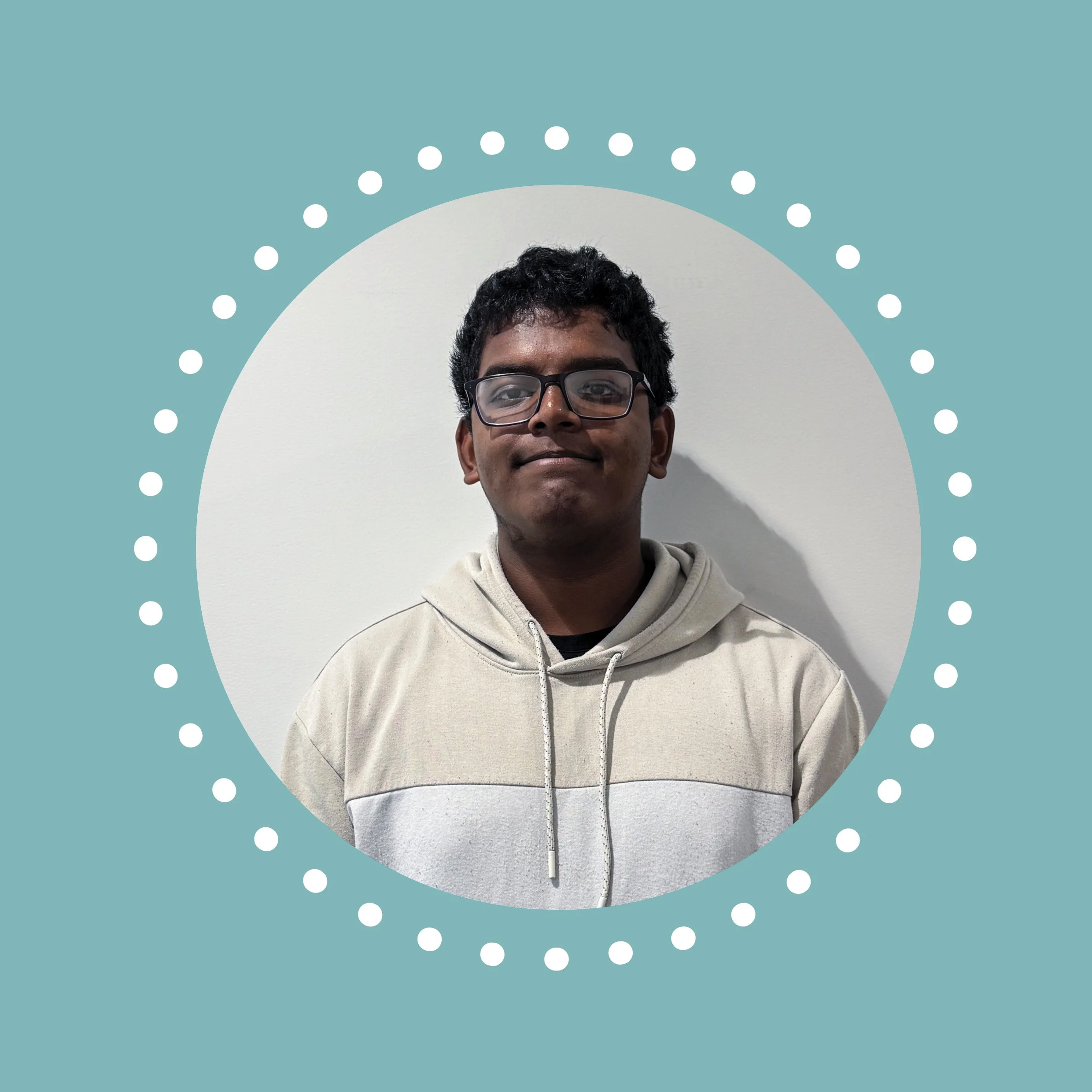
Damon could be your next star employee! He is hard-working, easy-going, social and has a fantastic sense of humour. He likes to keep busy and is keen to develop his barista skills further.
Damon would be a great fit for a customer-facing role or a positive, team-oriented workplace. Please don’t hesitate to get in touch if you think you might have a position that would suit Damon. He is ideally looking for part-time work on the North Shore or not too far beyond.
Neurodivergent Inclusion 💡
Why stress can be different for autistic teammates
A normal working life is full of ups and downs, and we can all struggle to cope sometimes.
For an autistic person, however, the way stress builds up and the time it takes to recover can be quite different. Everyday things that might seem relatively minor to others, such as noise, interruptions, changes to routine, social demands or having to constantly monitor how they communicate, can add to an already full load.
When there isn't enough time or space to recover, that stress can accumulate. Over time, the gap between what the person is being asked to manage and what they currently have the capacity to manage can become too large. This is one of the ways autistic burnout can develop.
People who process the world in more typical ways are often able to naturally return to a baseline between stressful moments. For some autistic people, however, stress can build up without enough opportunity to recover, eventually leading to overwhelm or meltdown.
What can autistic burnout look like?
You might notice…
More noticeable autistic traits: More stimming, greater reliance on routines, more direct or blunt communication, or less facial expression. This can happen when there is less capacity to mask or camouflage.
Difficulty with previously manageable skills: Tasks that were once straightforward, such as planning, communicating, or managing daily routines, suddenly becoming much harder.
Deep exhaustion: Feeling physically, mentally or emotionally drained, with difficulty concentrating, making decisions or getting through everyday tasks.
Executive functioning difficulties: Struggling to plan, organise, start tasks, process information or work out what to do next.
Increased sensory sensitivity: Noise, lights, smells, textures or busy environments becoming much harder to tolerate.
Greater emotional distress: Becoming more easily overwhelmed, experiencing more shutdowns or meltdowns, or experiencing increased anxiety or low mood.
(Adapted from clinical psychologist Amanda Moses, “Recognising Autistic Burnout and Differentiating It from Depression.” Amanda Moses Psychology)
What’s important to remember is that the person hasn’t necessarily become less capable. Their available capacity has changed. Allowing regular opportunities to rest and reregulate, reducing unnecessary demands where possible, and offering positive feedback and encouragement can go a long way.
Worth Sharing
“Organisations with higher levels of diversity are 35% more likely to outperform their peers”
For more statistics like these and the research behind them, check out: Workplace neurodiversity impact statistics
“89% of organisations that adopted neuroinclusive practices reported better employee morale and engagement”