
Welcome to October’s edition of Outside the Box. In this newsletter we share updates, tips, and opportunities from our employment programme.
News
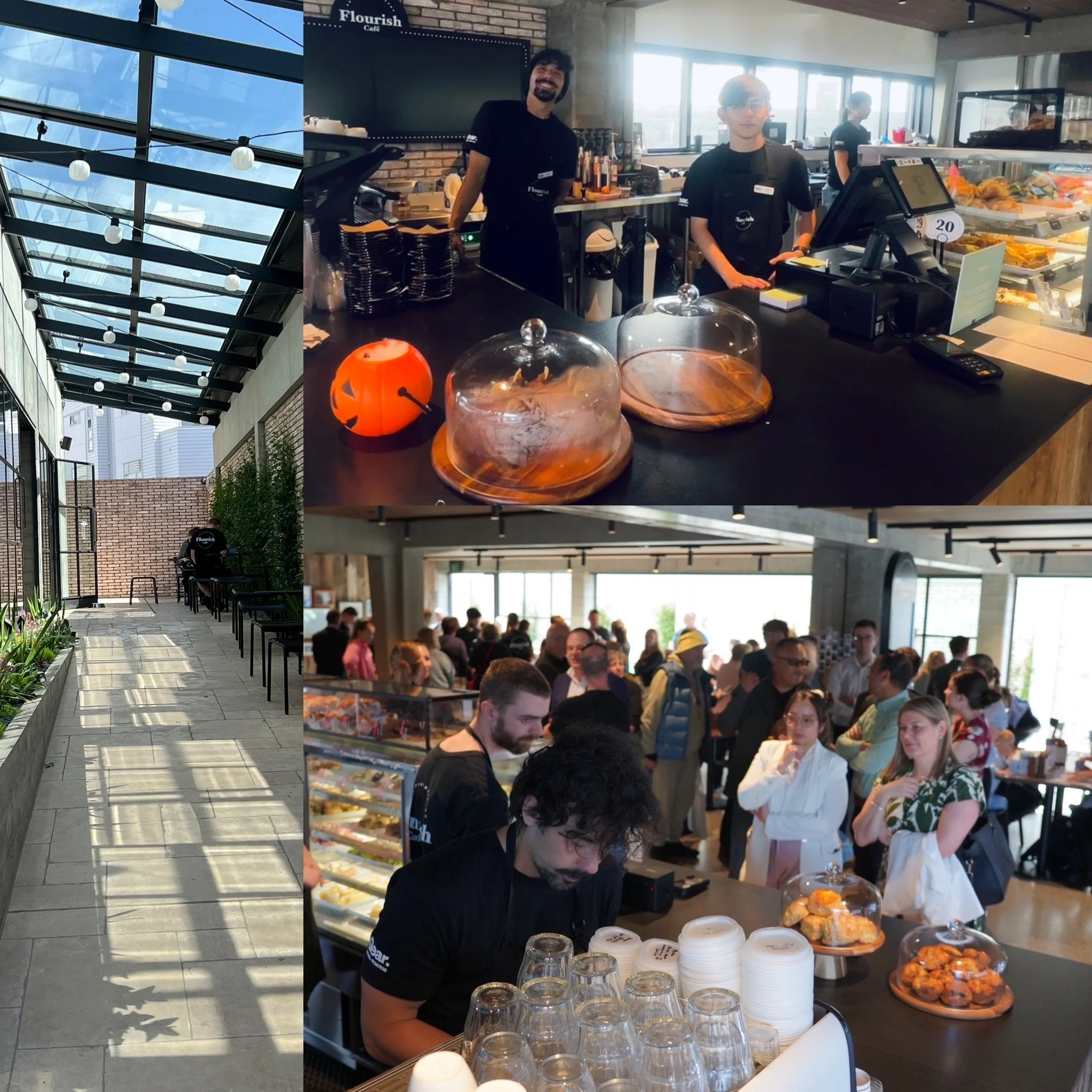
The new Flourish training café has been open for a month now and is already a resounding success. From an Employment Programme perspective, this is fantastic because all our trainees now get to experience working in a busy café. They’re taking orders at the till, preparing food in the kitchen, washing dishes, delivering orders to tables, clearing and cleaning tables, and doing all the cleaning required at closing time. Alongside these valuable hospitality skills, the training café helps them develop transferable skills such as communication, customer service and teamwork.
The café is also a living example of what young neurodivergent people are capable of. All our baking and food preparation are done by programme graduates who are now in paid employment with Flourish. In the past, some employers have been concerned that our graduates might struggle to keep up with the pace of their workplace. We can confidently say that our trainees are gaining real experience in a busy working environment, preparing them for the expectations of future employers.
Graduate News
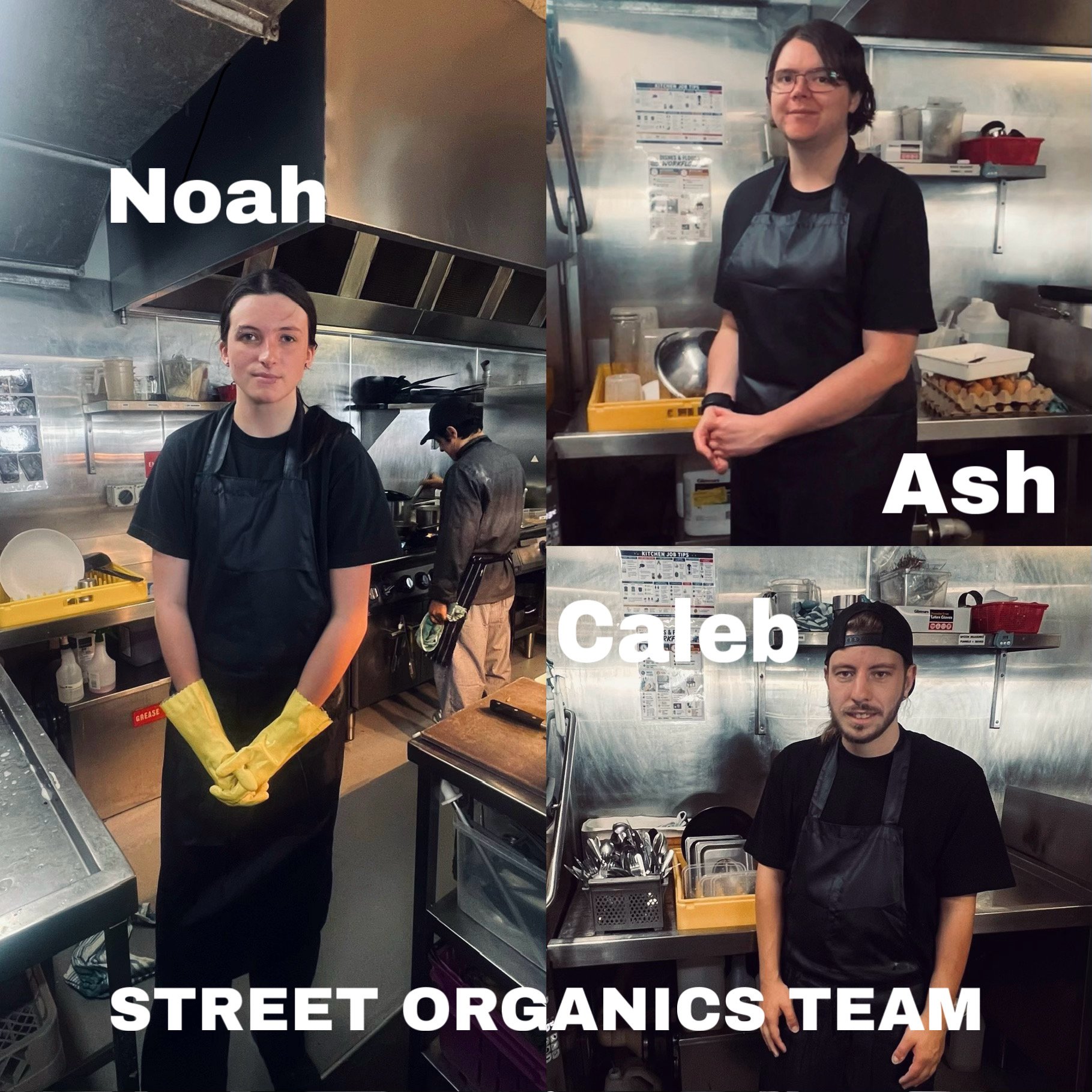
If you can believe it, a third Project Employ graduate has been hired by Street Organics in Takapuna! Owner Nicky has embraced the opportunity to create a workplace where all three can thrive. Ash has now moved into more food preparation work, while Noah and Caleb are taking on the lion’s share of the dishwashing.
Noah is the latest addition to the team. This is his first paid job, and he’s excited to build his skills and has some fantastic ambitions for the future. Opportunities like this can be a life-changing first step. Ash is a great example of where that journey can lead, having recently moved out of home and into a flat with flatmates. It’s fantastic to see them building their independence and confidence while continuing to grow in their roles. Flourishing beyond Flourish café!
Graduate News Cont…
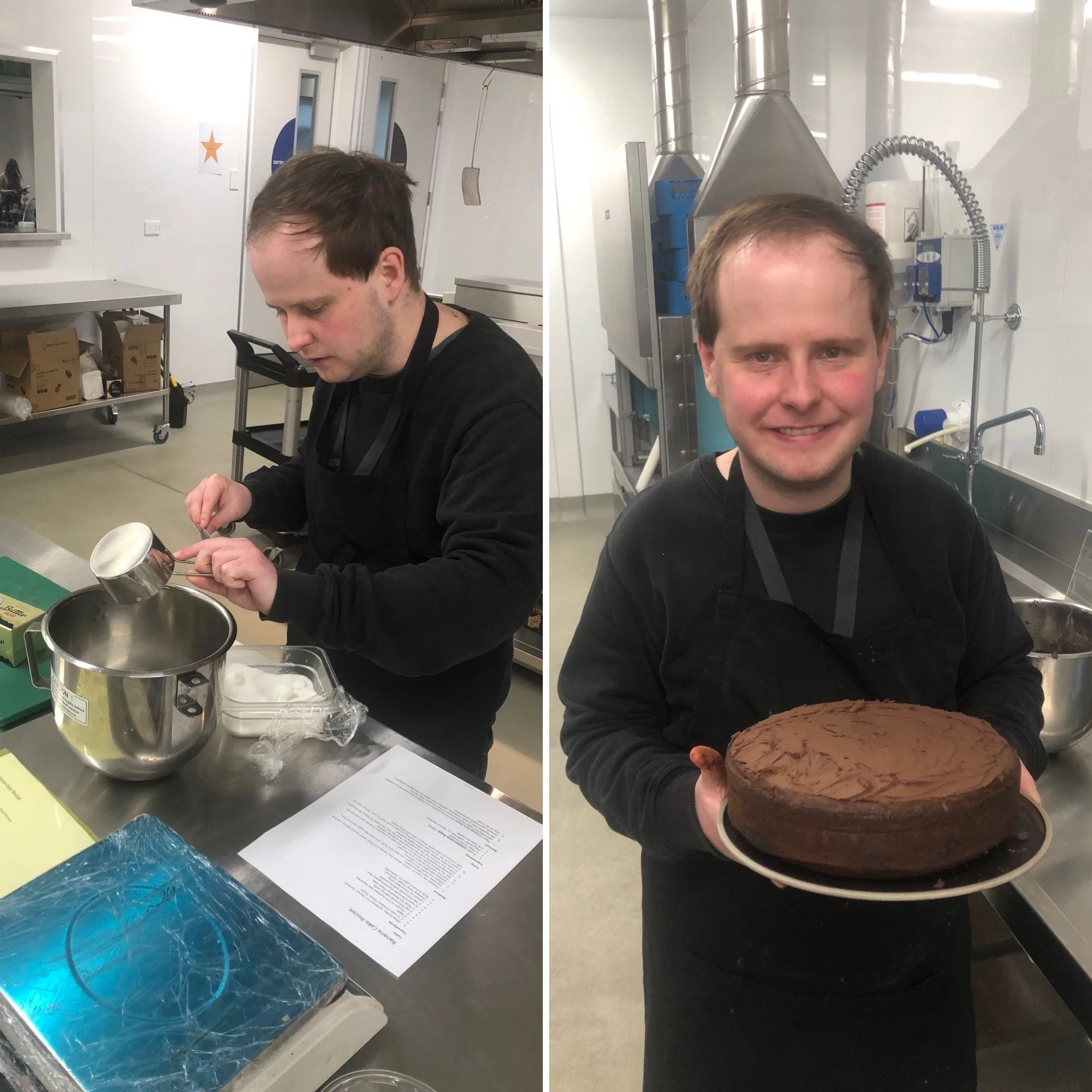
Meanwhile, Reece is settling into his new internship at Fisher & Paykel Healthcare, where he’s been busy putting his baking skills to good use in one of their cafés. We’re looking forward to seeing how he gets on and where this opportunity takes him next!
Neurodivergent Inclusion 💡
What accommodations are really needed?
One of the many fantastic things about having neurodivergent staff is that they can help you recognise when something isn't quite right in your workplace culture.
Employers sometimes tell us that their workplace wouldn't be suitable for one of our graduates because it's stressful, noisy, people yell or there's too much pressure. Unfortunately, these employers miss out on the benefits our young people can bring to their teams.
Our graduates can make a real difference to your workplace culture, but they need an environment where they can thrive. And that starts with a workplace that is good for everyone.
The good news is that many of the adjustments that help neurodivergent employees are simply good workplace practices that benefit the whole team. In fact, one might say that if you’ve already got a great culture, no adjustments will be needed at all!
Here are a few things worth considering:
Flexible shifts: Shorter working days or fewer hours can help people manage their energy and build up their capacity over time.
Predictable shifts: Where possible, fixed shifts and plenty of notice about changes can reduce stress and make it easier to plan ahead.
A supportive team: Colleagues who help each other out make it easier for everyone to manage busy periods, unexpected challenges and the occasional day off.
Clear communication and organisation: Reliable systems for sharing information, planning ahead and explaining what needs to be done help everyone know what to expect.
Proper breaks and time to recover: Everyone needs opportunities to rest. A workplace where people feel unable to take their entitled breaks is unlikely to be a healthy one.
Reasonable workloads: Clear priorities and realistic expectations help people focus on doing their jobs well, rather than feeling constantly overwhelmed.
Safe, approachable managers: People need to feel comfortable asking questions, admitting when they don't understand something and speaking up when they need help.
Clear, calm instructions: Explaining tasks in a straightforward way, one step at a time when needed, can prevent misunderstandings and help people work confidently.
A respectful workplace: Shouting, bullying, humiliation and unpredictable reactions from managers create stress for everyone. People should be able to make mistakes and learn without fear.
Having time to train new staff and giving them time to learn. Sadly one of the most common barriers to employment for neurodivergent staff is that no one has time to train them. No one should be expected to start in the deep end.
A little thought about the environment: Where possible, reducing unnecessary noise, providing a quieter space or allowing someone to step away briefly when things get overwhelming can make a real difference.
Not every neurodivergent person needs the same things, and some may need more specific adjustments. The best starting point is to get to know your employee, understand what helps them do their job well, and work together to find practical solutions.
You might be surprised by how little needs to change, and how much a good workplace can bring out in people.
Worth Sharing
Project Employ offers disability confidence and neurodiversity training to employers working with our graduates. Understanding how different people experience the workplace can help managers build confidence and create environments where everyone can thrive.
For employers wanting to continue their learning journey, New Zealand organisations such as Te Uru Tangata, Autism NZ, Kia Roha, OneinSix and NZDEN also provide valuable resources, training, and support.